

Table of Contents
I. How Do Eliquis Interactions Compare to Warfarin?
II. What Foods to Avoid While on Eliquis
III. Eliquis Drug Interactions
V. Adjusting Eliquis Dosage to Avoid Interactions
VI. FAQ: How Can I Avoid Harmful Interactions While Taking Eliquis?
Eliquis (apixaban) is a popular blood thinner with some benefits over other medications in the same class. Eliquis has fewer interactions and precautions than older anticoagulants, so doctors may prescribe it to help reduce treatment risks for their patients. [1]
Eliquis helps treat blood clots and reduces the risk of them happening again. [2] You may receive a prescription for Eliquis for several medical conditions, including deep vein thrombosis (DVT), pulmonary embolism, and atrial fibrillation. [2] Other risk factors that can lead to blood clot formation include surgery, hospitalization, immobility, hormone replacement, pregnancy, cancer, and heart disease. [3]
Filling your Eliquis prescription is quick and simple with Canadian Pharmacy Service. Despite having fewer food interactions than some older blood thinners, certain foods and medications can still increase your risk of adverse effects. Read on to learn about the foods and drugs you should avoid while taking Eliquis.
How Do Eliquis Interactions Compare to Warfarin?
Traditional blood thinners like Coumadin (warfarin) come with strict dietary and drug restrictions. Warfarin, for example, is a vitamin K antagonist, meaning it works by interfering with the body’s use of vitamin K in the clotting process. Doctors advise patients taking warfarin to avoid foods like leafy green vegetables and cranberry juice, as vitamin K can reduce warfarin's efficacy. [4] So, what are the benefits of Eliquis, and does it come with the same interactions?
Unlike warfarin, Eliquis does not inhibit vitamin K synthesis. Instead, Eliquis affects proteins made by your liver that are necessary for blood clot formation. Eliquis prevents blood clots by selectively blocking clotting factors, working independently of vitamin K. As a result, Eliquis has significantly fewer food interactions than previous blood thinners, letting you eat a wider range of nutritious fruits and vegetables. [2]
What Foods to Avoid While on Eliquis
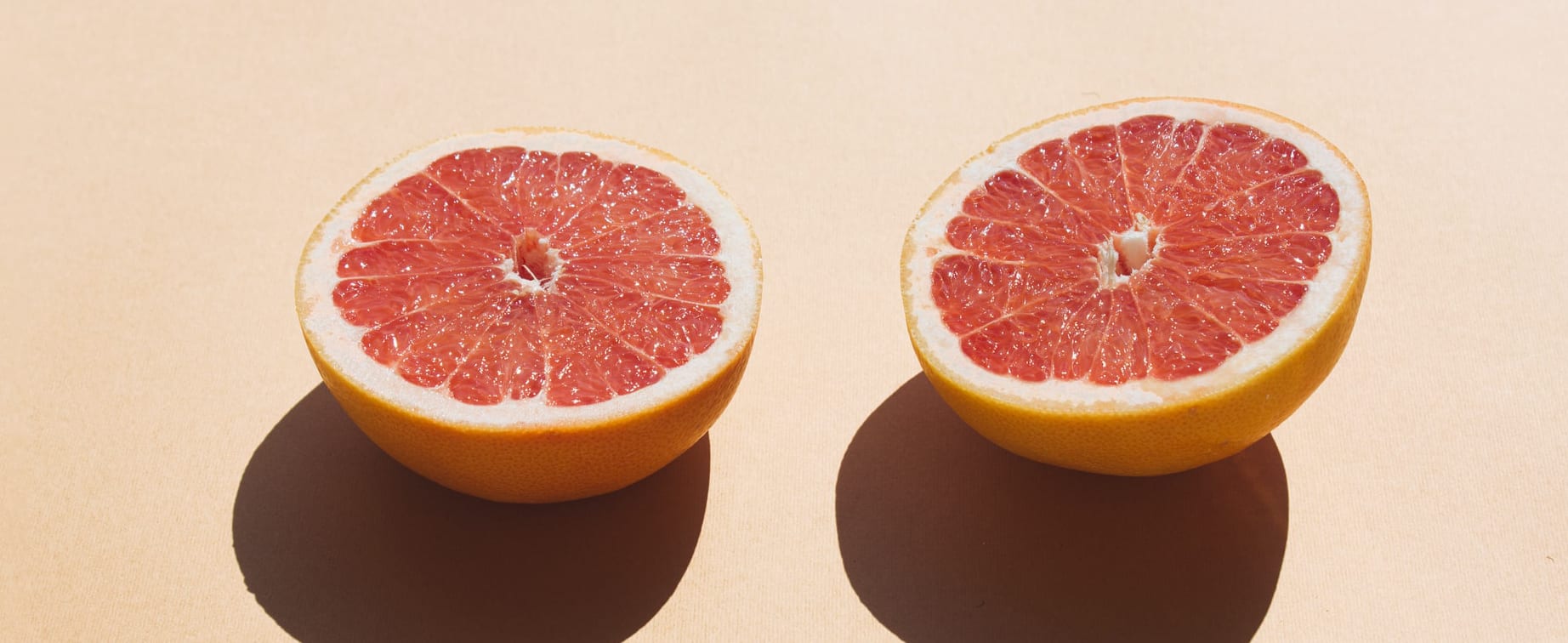
It is important to avoid grapefruit and grapefruit products while taking Eliquis, including grapefruit juice. Grapefruit can affect how Eliquis works in your body and may increase your risk of side effects. If you do eat grapefruit or drink grapefruit juice, ask your doctor or pharmacist how much, if any, is safe for you. [5]
This interaction happens because grapefruit can block an enzyme that helps break down apixaban, the active ingredient in Eliquis. This enzyme, called CYP3A4, belongs to the broader cytochrome P450 family of enzymes. When apixaban is not broken down as expected, it can stay in your bloodstream longer and raise the amount of medication in your body. This may make Eliquis stronger than intended and increase your risk of unwanted side effects, including bleeding. [6]
Eliquis Drug Interactions
In addition to avoiding grapefruit products, it is important to watch for medication interactions while taking apixaban. Before starting Eliquis, tell your doctor about all prescription medications, over-the-counter drugs, vitamins, and supplements you take. Some medications can increase your risk of bleeding or affect how Eliquis works in your body.
- Aspirin or aspirin-containing products
- Long-term use of NSAIDs
- Warfarin
- Medications that contain heparin
- Clopidogrel
- SSRIs or SNRIs
- Medications that help prevent or treat blood clots
- Strong CYP3A4 inhibitors (ketoconazole, itraconazole, ritonavir)
- Strong CYP3A4 inducers (rifampin, carbamazepine, phenytoin, St. John’s wort) [2]
Let your doctor know about all medications and supplements you are taking. Depending on your risk factors, your doctor may adjust your Eliquis dose or recommend a different medication. [2]
Eliquis and Alcohol
It is generally safe to drink small amounts of alcohol while taking an anticoagulant, as long as you stay within recommended limits. However, the safest option is to avoid alcohol as much as possible while taking blood thinners. Talk to your doctor to determine how much alcohol, if any, is safe for you. [7]
Regularly drinking more than the recommended limit, or binge drinking, can affect how your liver processes medications. This may make your medication less effective or stronger than intended, which can increase your risk of side effects such as bleeding. Drinking too much alcohol can also raise your risk of developing an ulcer or bleeding in your stomach. [7]
Eliquis can increase your risk of bleeding, [2] and alcohol may make this risk more serious. Alcohol can also affect your reaction time, balance, and coordination, which may make falls and injuries more likely. Cuts and scrapes from a fall may bleed more than expected while taking Eliquis. More serious injuries can also lead to internal bleeding.
Internal bleeding may not cause symptoms right away. If an injured organ is bleeding, the area may be painful, but the person may not notice the pain because of other injuries. They may also be unable to describe the pain if they are confused, drowsy, or unconscious. [8]
Over time, signs of internal bleeding usually become more noticeable. For example, bleeding in the digestive tract may cause someone to vomit blood or pass bloody or black stools. [8]
Severe blood loss can also cause low blood pressure, which may make a person feel weak, dizzy, or light-headed. They may faint while standing or even sitting. If blood pressure drops very low, they may lose consciousness. [8]

Adjusting Eliquis Dosage to Avoid Interactions
Patients with an underlying health condition and a risk for blood clots may need to take more than one medication. If your current treatment plan interacts with Eliquis, speak to your doctor. Depending on your blood clot risk, your doctor may adjust your dosages to reduce the risk of interactions while ensuring all your conditions are treated. [2]
Unlike older blood thinners, Eliquis comes with more dietary freedom. Still, it is important to be careful when taking more than one drug and avoid interactions to keep your risk of adverse side effects low. If you are unsure whether a certain food, medication, over-the-counter drug, supplement, or herbal medication interacts with Eliquis, consult your healthcare provider to be safe.
FAQ: How Can I Avoid Harmful Interactions While Taking Eliquis?
The most reliable way to avoid harmful Eliquis (apixaban) interactions is to give your doctor and pharmacist a complete picture of everything you take and to build a few simple safety habits into your routine. Because Eliquis works by reducing your blood’s ability to clot, the biggest risks come from anything that adds to your bleeding risk or changes how your body breaks down the drug.
In practice, that means watching for a handful of specific triggers: other medicines that affect bleeding or clotting, grapefruit, and alcohol. Most interactions are manageable once you know what to look for, and your pharmacist can flag a potential problem before it ever affects you.
To lower your risk of an Eliquis interaction, follow these steps:
- Keep an up-to-date list of every prescription, over-the-counter medicine, vitamin, and supplement you take.
- Share that list with your doctor or pharmacist before starting Eliquis.
- Avoid grapefruit and grapefruit juice unless your doctor says otherwise.
- Ask which pain relievers are safe and avoid aspirin and long-term NSAID use unless approved.
- Limit alcohol and avoid heavy or binge drinking.
- Take Eliquis exactly as prescribed and never stop without talking to your doctor first.
- Learn the warning signs of bleeding and seek medical care right away if they appear.
The content in this article is intended for informational purposes only. This website does not provide medical advice. In all circumstances, you should always seek the advice of your physician and/or other qualified health professionals(s) for drug, medical condition, or treatment advice. The content provided on this website is not a substitute for professional medical advice, diagnosis, or treatment.