


Table of Contents
II. What Foods to Avoid While Taking Eliquis
IV. FAQ: How Can I Take Eliquis Safely?
Eliquis (apixaban) is used to treat blood clots and reduce the risk of stroke in people with conditions such as atrial fibrillation (irregular heartbeat), deep vein thrombosis (DVT), pulmonary embolism, and to help prevent blood clots after hip or knee replacement surgery. The active ingredient in Eliquis is apixaban, a factor Xa inhibitor that helps prevent the blood from clotting. [1]
Blood clots become dangerous when they rupture, break free, and travel to the brain, legs, or lungs. A clotting event that occurs in the head or neck area can cut off oxygen and nutrients to the brain, causing a stroke. A stroke requires prompt medical treatment to prevent permanent brain damage. If the clot travels to the lower leg, thigh, or pelvis, a DVT can occur. This can cause serious swelling and pain to the affected area. A clot in a lung artery (pulmonary embolism) can cause shortness of breath, chest pain, and coughing up blood. [2]
Canadian Pharmacy Service offers many resources if you would like to learn more about the benefits of Eliquis. We also offer generic Eliquis from Canada to help make filling your prescription more affordable.
Read on to learn more about the side effects and dosing instructions for Eliquis.
Eliquis Side Effects
The most common side effect of Eliquis in adults is bleeding. In pediatric patients, common side effects may include headache, vomiting, and heavy menstrual bleeding. [1]
Serious bleeding symptoms may include:
- Bleeding from your nose
- Dark brown urine or blood in your urine
- Coughing up blood
- Vomit that looks black or like coffee grounds
- Black stools or blood in your stools
- Bleeding that is heavy, lasts longer than usual, or does not stop
- Blood vessel inflammation, also called vasculitis, which may cause a skin rash, flat red spots under the skin, or bruising [3]
Call your doctor right away or go to the nearest emergency department if you notice any signs of serious bleeding. [3]
Eliquis may also cause an allergic reaction if you are allergic to apixaban or any of the other ingredients in the medication. Check the ingredient list before taking Eliquis, especially if you have a history of medication allergies. [3]
Symptoms of an allergic reaction may include:
- Shortness of breath
- Difficulty breathing
- Swelling of the face, lips, tongue
- Rash, itching, or hives [3]
People who take Eliquis may have a higher risk of developing a blood clot in or around the spine if they receive medicine through a spinal or epidural injection or have a spinal puncture. This type of clot can be serious and may lead to long-term or permanent movement problems if it is not treated quickly. [4]
Tell your healthcare provider right away if you experience:
- Back pain
- Tingling, numbness, or muscle weakness, especially in your legs or feet
- Loss of bowel or bladder control [4]
To lower your risk of Eliquis side effects, your doctor may advise you to avoid contact sports or activities that increase your chance of injury. You should also use caution when handling sharp objects to help prevent cuts or scrapes that may bleed more than usual.
You can also reduce your risk by avoiding medication interactions. Eliquis should not be combined with other blood thinners, certain antidepressants, or nonsteroidal anti-inflammatory drugs (NSAIDs) unless your doctor tells you to take them together. [4]
What Foods to Avoid While Taking Eliquis
Eliquis is a newer blood thinner and has the advantage of having minimal food interactions outside of grapefruit juice. Grapefruit juice may affect the way Eliquis works, so grapefruit juice consumption should be avoided or limited when taking this medication. [5]
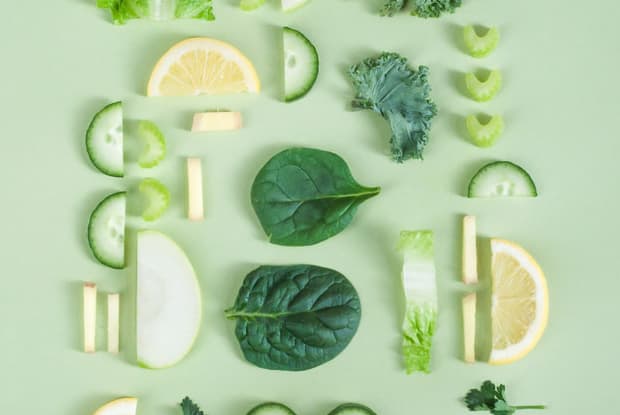
Older blood thinners such as warfarin are known to interact with leafy greens and other foods high in vitamin K. [6] Eliquis is not affected by vitamin K, so you can continue reaping the benefits of nutritious vegetables like spinach and kale. But why does Eliquis have fewer food interactions?
The liver takes vitamin K and creates substances that help the blood clot. [7] Traditional blood thinners work by blocking the liver from using vitamin K, preventing blood clots as a result. [6] Eliquis works independently of vitamin K and directly inhibits clotting factor Xa. This means you are free to enjoy most healthy food items unless otherwise directed by your doctor. [1]
Patients should avoid drinking excessive alcohol. Drinking too much increases the risk of falling and accidents, which are more dangerous when on blood thinners. You may not have to cut out alcohol completely, but drinking less can go a long way in preventing excessive bleeding events.
How to Take Eliquis
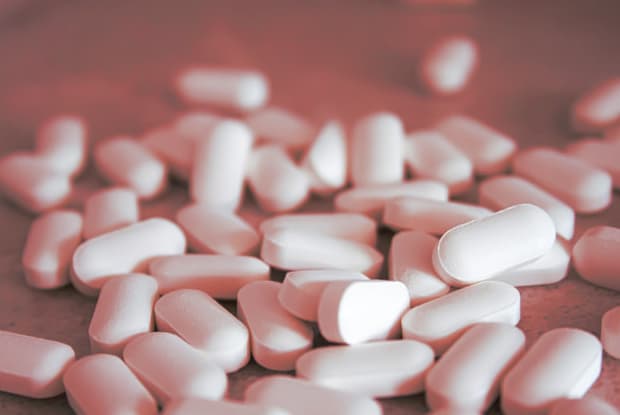
You should follow your doctor’s instructions when taking Eliquis. Generally, the instructions involve swallowing the tablet whole, with or without food. However, those who cannot swallow the tablet whole may crush and mix the tablet in water or apple juice. A crushed tablet should not be chewed but swallowed right away. [1]
If you have a scheduled surgery or dentist appointment, inform your doctor because you may need to stop taking Eliquis to reduce the risk of bleeding. Continue taking Eliquis unless your doctor tells you to stop. Stopping this medication before your treatment plan is complete may cause blood clots to return. [1]
As mentioned above, Canadian Pharmacy Service lets you buy Eliquis at the lowest prices. Over time, the cost of Eliquis can become burdensome, and you may wonder why is Eliquis so expensive? Luckily, the generic version of Eliquis can help you save money. If you are at risk of blood clots, talk to your doctor about how Eliquis (apixaban) can help.
FAQ: How Can I Take Eliquis Safely?
Eliquis can lower your risk of dangerous blood clots, but it also makes bleeding easier. Taking it safely means using it exactly as prescribed, staying consistent with your doses, and checking with your doctor or pharmacist before mixing it with certain foods, alcohol, over-the-counter pain relievers, supplements, or other medications.
Do not stop Eliquis on your own, even if you feel fine. Stopping too early can raise your risk of blood clots. You should also tell your doctor, dentist, or surgeon that you take Eliquis before any procedure, since you may need special instructions to lower your bleeding risk.
To take Eliquis safely, follow these steps:
- Take Eliquis exactly as prescribed by your doctor.
- Take it at the same time each day.
- Do not stop taking Eliquis unless your doctor tells you to.
- Swallow the tablet whole or crush it and mix it with water or apple juice if needed.
- Avoid grapefruit and grapefruit juice unless your doctor says they are safe for you.
- Limit alcohol, since it can raise your risk of bleeding and falls.
- Ask your doctor before taking NSAIDs, other blood thinners, supplements, or certain antidepressants.
- Tell your doctor or dentist that you take Eliquis before any surgery, dental work, or medical procedure.
- Watch for unusual bleeding, easy bruising, blood in your urine, black stools, coughing blood, or vomiting blood.
The content in this article is intended for informational purposes only. This website does not provide medical advice. In all circumstances, you should always seek the advice of your physician and/or other qualified health professionals(s) for drug, medical condition, or treatment advice. The content provided on this website is not a substitute for professional medical advice, diagnosis, or treatment.